
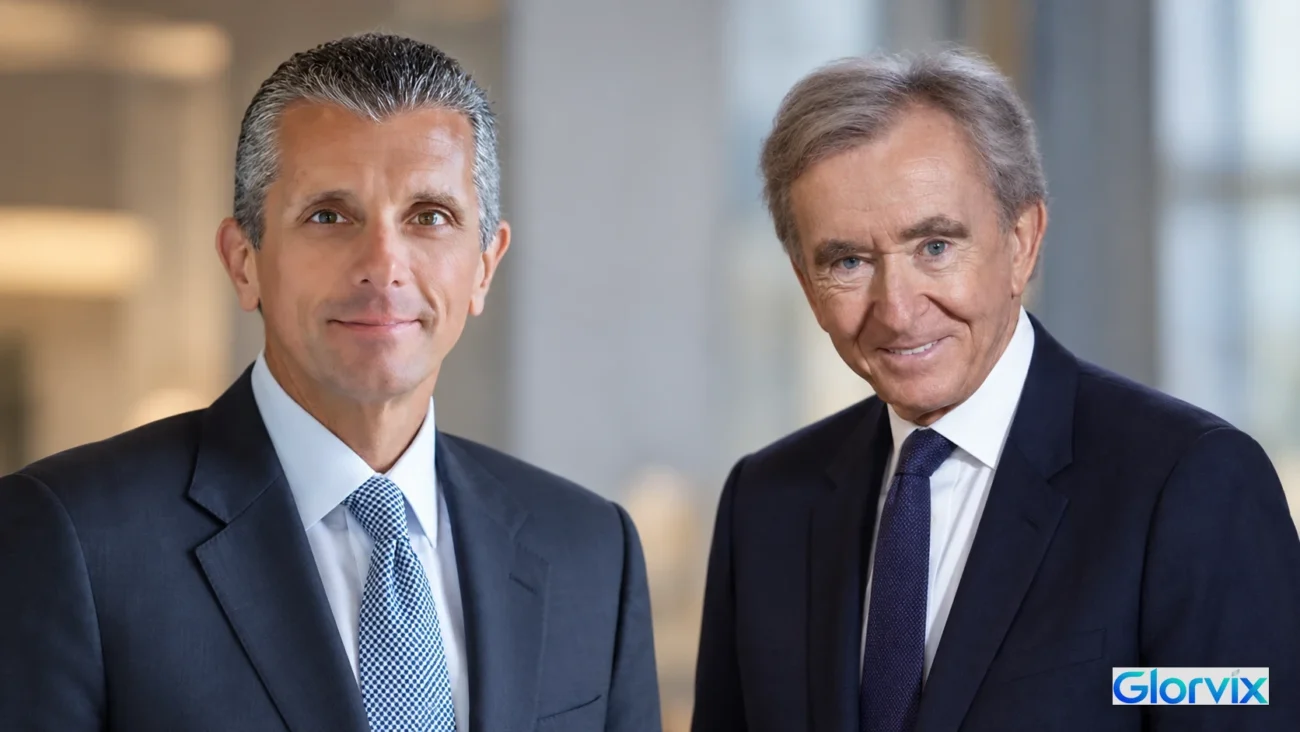
David Cordani and Bernard Arnault are prominent business executives whose careers have developed in different industries. Cordani is the executive chair of The Cigna Group, an American health-services company, while Arnault is the chairman and CEO of LVMH, the French luxury conglomerate. **Their documented connection is that both appeared in major business-leadership rankings, including lists published by Fortune and Harvard Business Review. There is no public confirmation of a direct personal relationship or business partnership between them.
Their inclusion in the same rankings offers an interesting comparison of two executives who led large organizations through different corporate structures and career paths.
Key takeaways
- David Cordani became executive chair of The Cigna Group on July 1, 2026, after serving as its CEO.
- Bernard Arnault** has served as chairman and CEO of LVMH since 1989 and remains in that position as of October 2026.
- In Fortune’s 2015 Businessperson of the Year ranking, Arnault placed 15th and Cordani placed 40th.
- In Harvard Business Review’s 2018 Best-Performing CEOs ranking, Arnault placed third and Cordani placed 71st.
- Their appearances in these rankings establish a shared professional context, but do not demonstrate that they have worked together.
David Cordani and Bernard Arnault: Profile summary
| Field | David Cordani | Bernard Arnault |
|---|---|---|
| Full name | David M. Cordani | Bernard Arnault |
| Country | United States | France |
| Company | The Cigna Group | LVMH |
| Industry | Health insurance and health services | Luxury goods |
| Position as of October 2026 | Executive Chair | Chairman and CEO |
| Leadership background | Joined Cigna in 1991; became CEO in January 2010 | Became LVMH’s majority shareholder and chairman and CEO in 1989 |
| Fortune 2015 ranking | No. 40 | No. 15 |
| Harvard Business Review 2018 ranking | No. 71 | No. 3 |
What connects David Cordani and Bernard Arnault?
The clearest documented connection between Cordani and Arnault is their recognition in rankings that evaluated business leaders across different industries.
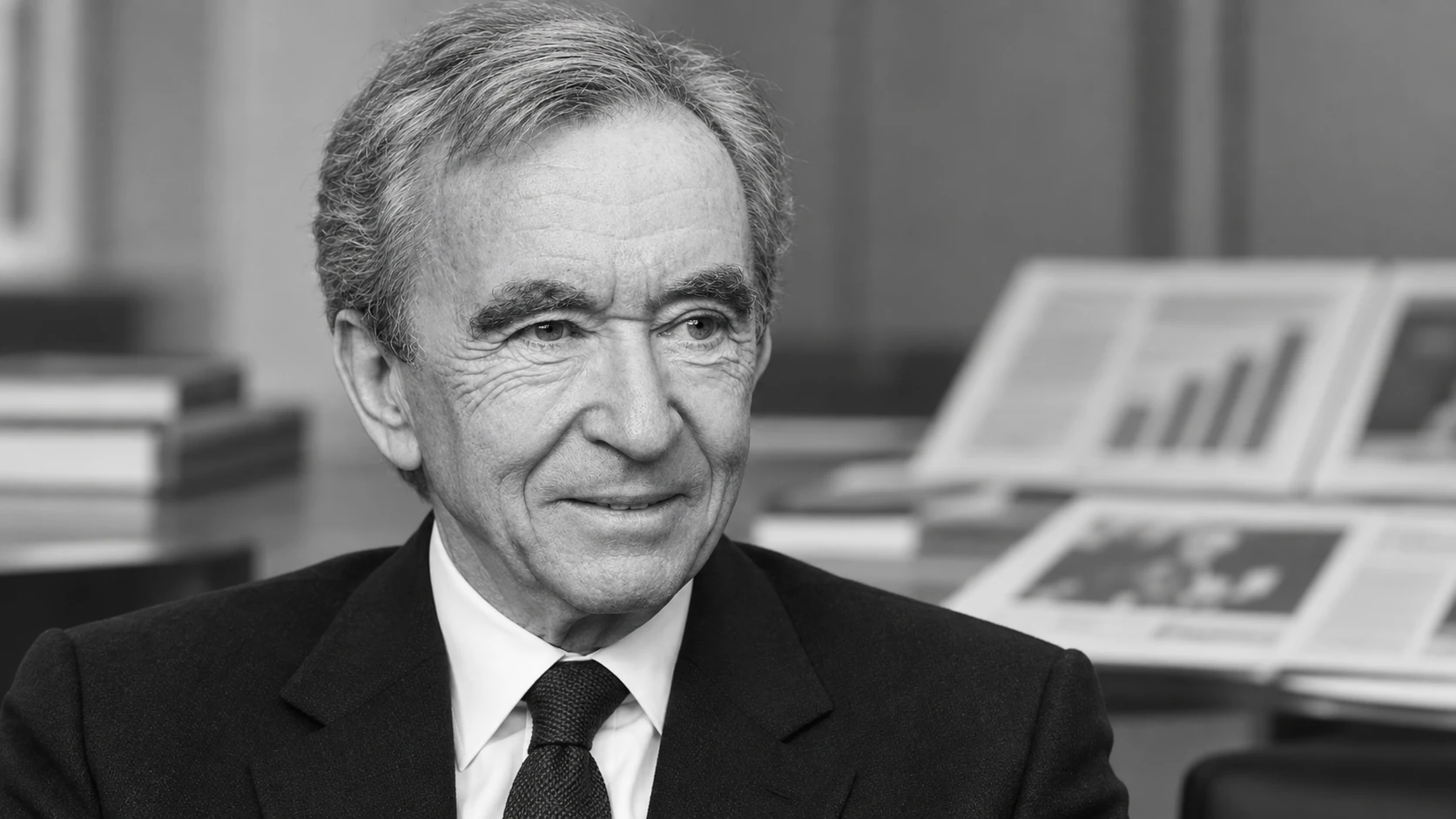
In 2015, Fortune included both men in its annual Businessperson of the Year ranking. Bernard Arnault occupied 15th place, while David Cordani ranked 40th.
The positions appear in Fortune’s original 2015 ranking.
Three years later, both executives appeared in Harvard Business Review’s Best-Performing CEOs in the World ranking.
Arnault ranked third, while Cordani placed 71st, according to Becker’s Hospital Review’s October 25, 2018, coverage of the HBR list.
The 2018 HBR ranking assessed long-term executive performance using financial measures and environmental, social and governance (ESG) ratings.
Its methodology assigned 80% of the overall assessment to financial performance and 20% to two ESG rankings, each carrying a 10% weighting.
That methodology matters because the ranking evaluated executives according to defined performance measures. It was not a measure of personal wealth, popularity or relationships between business leaders.
The two rankings also cannot be compared directly. They were published in different years and used different evaluation approaches.
For Cordani and Arnault, their inclusion demonstrates that both received recognition in international business-leadership assessments during periods when they were serving as CEOs.
It does not establish a shared corporate project, investment or professional collaboration.
How their business careers developed
Although both executives appeared in the same leadership rankings, their professional backgrounds illustrate different routes to corporate leadership.
David Cordani: From Cigna executive to executive chair
David M. Cordani built much of his professional career within Cigna, joining the company in 1991.
He subsequently held senior management positions and became president and chief operating officer before being selected to succeed Cigna’s chief executive.
On June 24, 2009, Cigna announced that Cordani would become its next CEO, with the appointment taking effect on January 1, 2010.
The distinction between those dates helps explain why some corporate biographies associate the beginning of his CEO tenure with 2009, while others identify January 2010.
The exact effective date appears in Cigna’s original CEO succession announcement filed with the SEC.
During Cordani’s leadership, Cigna developed beyond its traditional health insurance operations into a broader health-services organization.
One significant development was Cigna’s 2018 acquisition of Express Scripts, which expanded the company’s involvement in pharmacy benefit services.
The acquisition illustrates the changing scope of the business Cordani led. Health insurance remained central to Cigna, but pharmacy services and other healthcare operations became increasingly important parts of the organization.
Cordani became chairman of Cigna’s board in January 2022 while continuing as CEO.
His most recent major career transition occurred in 2026.
On March 3, 2026, Cigna announced that Brian Evanko, then its president and chief operating officer, would succeed Cordani as CEO.
The transition became effective on July 1, 2026, when Cordani moved into the executive-chair position.
The appointments are documented in Cigna’s 2026 SEC filing.
As executive chair, Cordani remains associated with Cigna’s board leadership, although he no longer holds the company’s chief executive position.
This distinction is particularly relevant when reading older articles and rankings that identify him as Cigna’s CEO.
Bernard Arnault: Long-standing leadership of LVMH
Bernard Arnault’s career is closely associated with the development and leadership of LVMH Moët Hennessy Louis Vuitton.
The French group operates in the luxury-goods industry, with businesses spanning fashion, leather goods, wines and spirits, watches, jewelry and other luxury categories.
According to LVMH’s official executive biography, Arnault became the group’s majority shareholder in 1989 and has served as chairman and CEO since that year.
His professional position combines long-standing executive leadership with a major ownership interest in the group.
That differs from Cordani’s career progression through management roles at Cigna.
Arnault’s position at LVMH has also remained more consistent over the period covered by the historical rankings.
When Fortune included him in its 2015 ranking and Harvard Business Review ranked him third in 2018, he was already an established leader of the luxury conglomerate.
As of October 2026, Arnault continues to serve as LVMH’s chairman and CEO.
His position was also identified in Reuters Breakingviews coverage published October 6, 2026.
What their shared rankings actually tell us
The historical rankings provide a basis for comparing the executives’ public recognition, but their positions should be understood within the scope of each publication’s assessment.
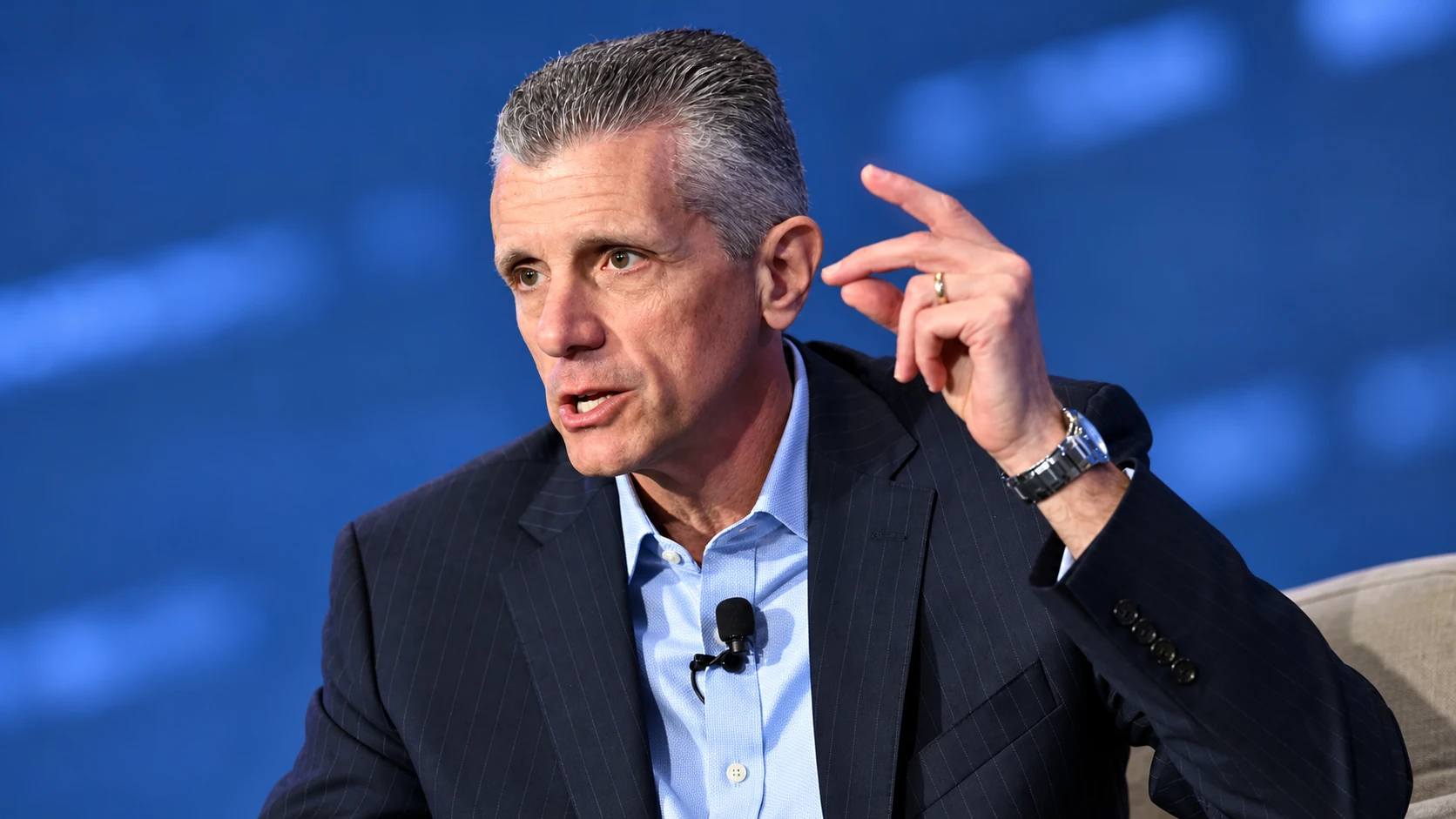
Cordani led a major American healthcare organization, while Arnault led a French luxury group with a different business model and ownership structure.
Both were evaluated in cross-industry rankings despite the substantial differences between their companies.
Their respective positions therefore show how the publications assessed them at particular moments, rather than establishing a permanent hierarchy of executive achievement.
The distinction becomes especially important in 2026, when the two men no longer hold equivalent corporate titles.
Cordani has moved from chief executive to executive chair of Cigna, while Arnault remains both chairman and CEO of LVMH.
The meaningful link between David Cordani and Bernard Arnault is their documented inclusion in historical business-leadership rankings. Their careers provide a useful comparison of corporate leadership in healthcare and luxury goods, but those shared rankings should not be mistaken for evidence of a direct personal or business relationship.
